
How a simple 10-minute meditation can help you find focus and calm

Clinically reviewed by Dr. Chris Mosunic, PhD, RD, MBA
Think you’re too busy to meditate? Think again. Discover how a 10-minute meditation can boost focus and calm, and 8 tips to build your own quick mindfulness routine.
Some days, even ten minutes to yourself can feel impossible. Between meetings, messages, and the constant hum of responsibility, sitting still might seem like a luxury reserved for other people. But that’s exactly why a 10-minute meditation can make such a difference — it gives your mind a small, steady break in the middle of the noise.
Meditation doesn’t require you to clear your thoughts and force yourself to be calm, but instead helps you notice what’s happening in the moment and offer yourself a pause before the next demand. Research shows that even short practices—around ten minutes—can lower stress, sharpen focus, and help your brain recover more quickly from pressure.
That’s why Calm’s Daily Calm and Daily Trip sessions hover around that same length: short enough to fit into your day, long enough to leave you feeling grounded. Here’s how a 10-minute meditation works, why it’s clinically substantiated, and a few simple ways to make it part of your daily rhythm.

What is a 10-minute meditation?
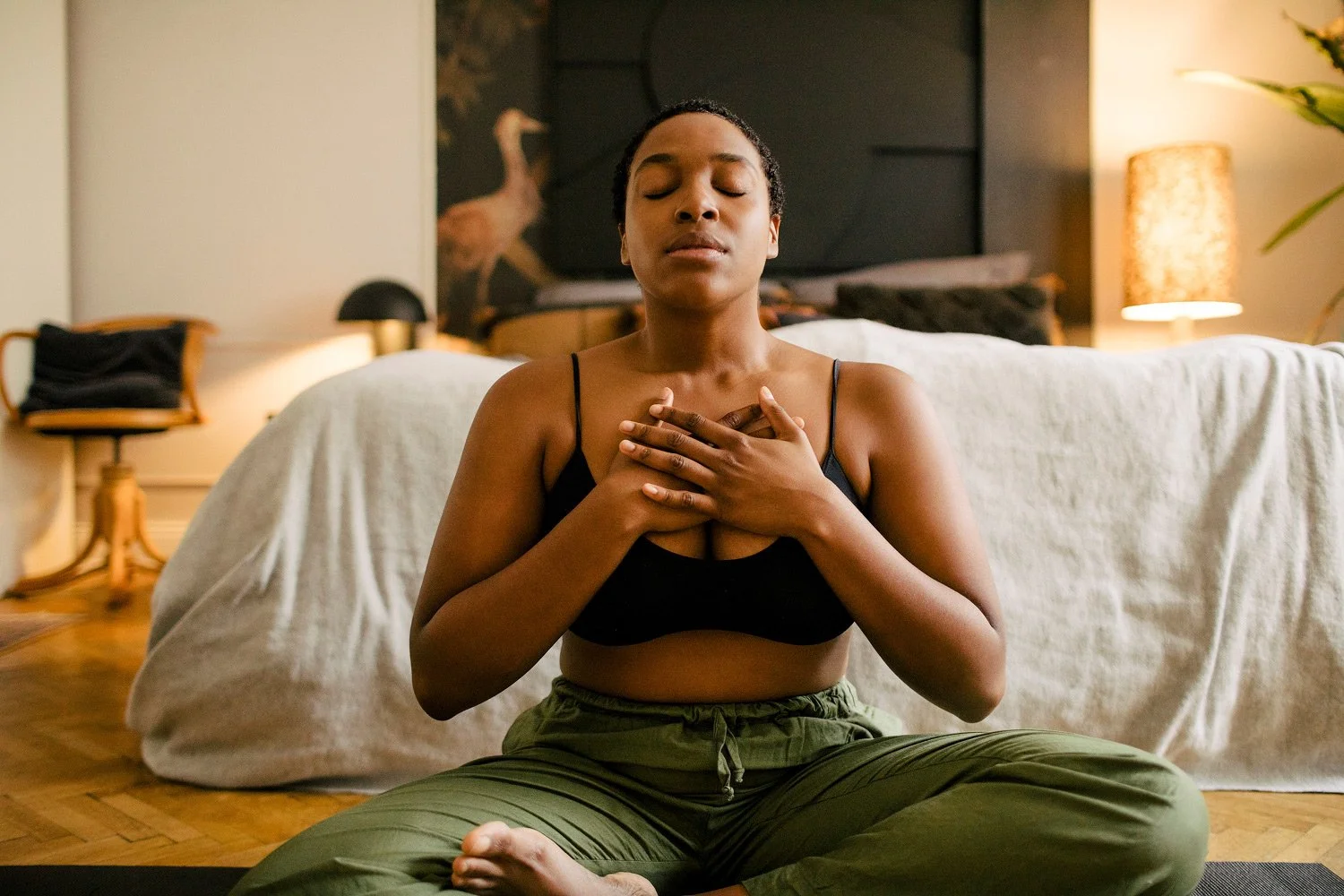
A 10-minute meditation is a short, structured practice that helps your body and mind shift from constant alertness to a calmer, more balanced state. It might involve focusing on your breath, following a guided meditation, or using visualization to center your attention. Ten minutes may not sound like much, but it’s enough to create real change in how your brain and body respond to stress.
You don’t need perfect conditions or complete silence. Some people meditate in a parked car before heading home; others take a mindful pause between meetings or while walking the dog. The goal isn’t to stop your thoughts, but to notice where your attention goes and gently guide it back to something steady, like your breath or the sounds around you.
Over time, this simple act of returning to awareness becomes a kind of mental muscle memory. The calm you practice in those ten minutes starts to show up throughout your day — in the way you focus, speak, and recover from stress.
Do short meditations actually work?
They do — and research clearly supports it. Studies show that even ten minutes of meditation can calm the brain’s stress response and strengthen areas linked to focus and emotional regulation. In one trial, people who practiced short daily sessions reported better concentration and mood after just a few days.
Short meditations are effective because they’re sustainable. When something feels doable, you repeat it — and that consistency can reshape the brain over time. Each brief practice helps you pause, refocus, and reset more easily when life speeds up.
5 benefits of a 10-minute meditation
Improves focus and mental clarity: Even brief sessions help clear mental clutter, making it easier to concentrate on what matters most. Regular practice strengthens the brain areas responsible for attention and decision-making.
Reduces stress and anxiety: Ten mindful minutes help to activate your body’s relaxation response, which can lower cortisol levels, reduce symptoms of anxiety, and ease physical tension. It’s like pressing a reset button before stress takes over.
Supports emotional balance: Meditation helps you observe emotions without getting swept up in them. Over time, you may respond to challenges with more steadiness and less reactivity.
Enhances sleep quality: A short evening meditation can help reduce racing thoughts and prepare your body for rest. Studies show that even brief pre-bed practices improve sleep onset and depth.
Builds self-awareness and resilience: Taking time to pause and check in with yourself can increase emotional insight and flexibility. That awareness can become a baseline strength you carry through the rest of your day.

How to start a short meditation practice: 8 tips to incorporate a 10-minute meditation into your day
Meditation becomes meaningful when it fits your actual life, not your ideal one. These eight practical approaches help you build a 10-minute meditation habit that feels doable.
1. Start small, then build slowly
If ten minutes feels like too much at first, start with three to five. Use that time to breathe, settle, and notice how you feel. Once it feels natural, add a minute or two each week until you reach ten. Gradual progress builds confidence and keeps the practice sustainable.
What matters most is consistency. Short, regular sessions train your brain to return to calm more easily, like daily exercise for your attention. By the time you’re sitting for a full ten minutes, your nervous system already knows what ease feels like.
Related read: One-minute meditation: benefits and how to do a quick practice
2. Pair meditation with something you already do
The easiest habits grow where there’s already rhythm. Tie your meditation to something you already do. After brushing your teeth, before opening your laptop, or once your coffee is ready. That familiar cue helps your brain link one action to the next.
You can also use natural pauses in your day to spur you into action, like after school drop-off, between meetings, or before turning out the light. The goal isn’t to find extra time, but to claim a few quiet minutes that are already there.
Read more: Why habit stacking can help you build routines that actually stick
3. Choose the right time for your energy
Meditation doesn’t have to happen at dawn. The best time is when you have enough mental space to notice it. If mornings are hectic, try mid-afternoon when your focus dips or in the evening as you unwind. The goal is to match your energy, which may change from day to day.
Different times bring different benefits — morning sessions sharpen focus, while evening ones ease tension and support better sleep. If your days are unpredictable, stay flexible. Meditation travels well; it fits wherever you can find a pause.
💙 Explore this One-Minute Reset with Chibs Okereke on the Calm app.
4. Create a simple ritual to begin
Your brain loves signals, and a small ritual can help you settle faster. Dim the lights, stretch your shoulders, light a candle, or take three slow breaths before you begin. Over time, these simple actions signal to your body that it’s safe to relax.
Prioritize your comfort over “perfect” posture. Sit on a cushion, chair, or bed, anywhere that feels supportive to your body. Keep a blanket handy if you get cold, and silence notifications. The fewer distractions you have, the easier it is to stay present.
Related read: 8 everyday ritual ideas for a more mindful life
5. Use guided meditations to support focus
If silence feels like wrestling with your thoughts, guided meditations can make it easier. A steady voice gives your mind structure and helps quiet the need to “do it right.” Calm’s Daily Calm and Trip sessions are perfect examples — each about ten minutes, designed to slow you down without losing focus.
Choose a guide whose tone feels grounded and natural. Some days, a breathing exercise might be what you need. Other days, a visualization or body scan feels more soothing. Over time, you’ll build a rhythm that makes even silent meditation comfortable, but there’s no need to rush it.
💙 Try exploring one of these Daily Trip Highlights with Jeff Warren on Calm.
6. Be flexible with your location
You don’t need a quiet room or a cushion to meditate. It can happen anywhere you can pause for ten minutes — your parked car, a bench at lunch, or the floor beside your bed. The place matters less than your willingness to be still.
If noise is unavoidable, let it be part of the experience. Notice sounds like traffic or conversation without resisting them. Let them rise and fade. You’re not trying to escape the world, just find a little steadiness within it.
Related read: How to create a meditation room: 6 ideas to DIY your space
7. Expect distraction and work with it
Your mind will wander; it’s what minds do. That’s not failure, it’s just part of the process. When you catch yourself planning dinner, replaying a conversation, or thinking about your inbox, notice it, “Ah, that’s here” then gently return to your breath or your guide’s voice.
Each return strengthens your ability to focus. Over time, you’ll start to notice that small pause between something happening and how you respond. That moment of awareness is where mindfulness begins to change your day.
Read more: How to tame a wandering mind: 12 ways to refocus your mind
8. Close intentionally and carry it forward
Before jumping up when the timer ends, take a few seconds to notice how you feel. You might stretch, open your eyes slowly, or choose one word to describe your state: “clear,” “steady,” “softer.” That short pause helps your brain register the calm and carry it forward.
You can also end with a grounding action, like sipping water, jotting a quick note, or stepping outside for some fresh air. The goal is to link that calm to whatever comes next. That bridge is what turns a 10-minute meditation into a lasting habit.

10-minute meditation FAQs
Is 10 minutes of meditation really enough?
Yes. Research shows that even 10 minutes of meditation a day can reduce stress and anxiety, sharpen focus, and improve emotional balance. Brain imaging studies have found measurable changes in attention and mood after just a few sessions.
What matters most isn’t duration but consistency — regular 10-minute sessions train your mind to return to calm again and again.
What’s the best time for a 10-minute meditation?
The best time is simply when you can make it happen. For some, that’s early morning before the day fills up; for others, it’s a midday pause or an evening wind-down.
Morning meditations boost focus, while nighttime sessions ease tension. Try different times over the next week and notice when you feel most at ease — your body will tell you what works.
How often should I do a 10-minute meditation?
Aim for once a day, but don’t let perfection get in the way. Even a few sessions a week can make a real difference when done with intention.
Consistency helps your brain recognize meditation as a safe, familiar pause, strengthening the habit and its benefits. Think of it as “brushing” your mind. Regular practice matters more than perfect practice.
Can beginners start with 10-minute meditations?
Absolutely. Ten minutes is long enough to make a difference but short enough to stay approachable. Beginners often do well with guided meditations—like Calm’s Daily Calm or Daily Trip—since a soothing voice helps keep focus steady.
You don’t need silence or an empty mind; just follow along and let the guidance support you until it feels natural to continue on your own.
Should I use guided or silent meditations?
It depends on what you need that day. Guided meditations offer structure and support, which can be helpful when you’re learning or feeling distracted. Silent meditations feel more open and intuitive once you’re comfortable sitting with your thoughts.
Many people alternate between the two. Guidance for busy days, silence for deeper reflection. Both are equally effective when practiced with awareness.
What’s a quick meditation for focus and calm I can try?
Try this short breathing exercise: close your eyes, inhale for four counts, hold for one, and exhale for six. Repeat for a few minutes, letting your breath steady your focus. You can also choose a word like “calm” or “ease” to repeat with each exhale.
This simple reset quiets mental noise and helps you refocus before a meeting, study session, or commute.
What if I get distracted during meditation?
You will get distracted. Everyone does. When you notice your thoughts drifting, acknowledge it (“thinking”) and gently return to your breath, body, or sound.
Each return strengthens your focus and emotional regulation. Over time, what once pulled you away—stress, noise, emotion—starts to lose its grip.
What are the main benefits of a 10-minute meditation?
A short, consistent meditation practice can lower stress, sharpen focus, improve sleep, and boost self-awareness. It also supports emotional balance and resilience.
Many people notice subtle changes first — feeling calmer in traffic, less reactive in conversation, or more patient with themselves. Those small shifts build over time, creating a steadiness that extends beyond the session.
How do I know if 10-minute meditations are working for me?
You’ll likely feel the effects gradually, not all at once. Notice if you recover from stress faster, focus longer, or handle frustration with more ease. You might sleep better or find anxious thoughts losing their grip.
If you’re unsure, jot down one quick note after each session about how you feel. Over time, those small reflections reveal your progress.
Calm your mind. Change your life.
Mental health is hard. Getting support doesn't have to be. The Calm app puts the tools to feel better in your back pocket, with personalized content to manage stress and anxiety, get better sleep, and feel more present in your life.

Images: Getty