
The surprising truth about depression in women (and how to cope)

Clinically reviewed by Dr. Chris Mosunic, PhD, RD, MBA
Feeling unlike yourself lately? Explore the signs of depression in women, why it’s common, and 7 supportive ways to start feeling more like you again.
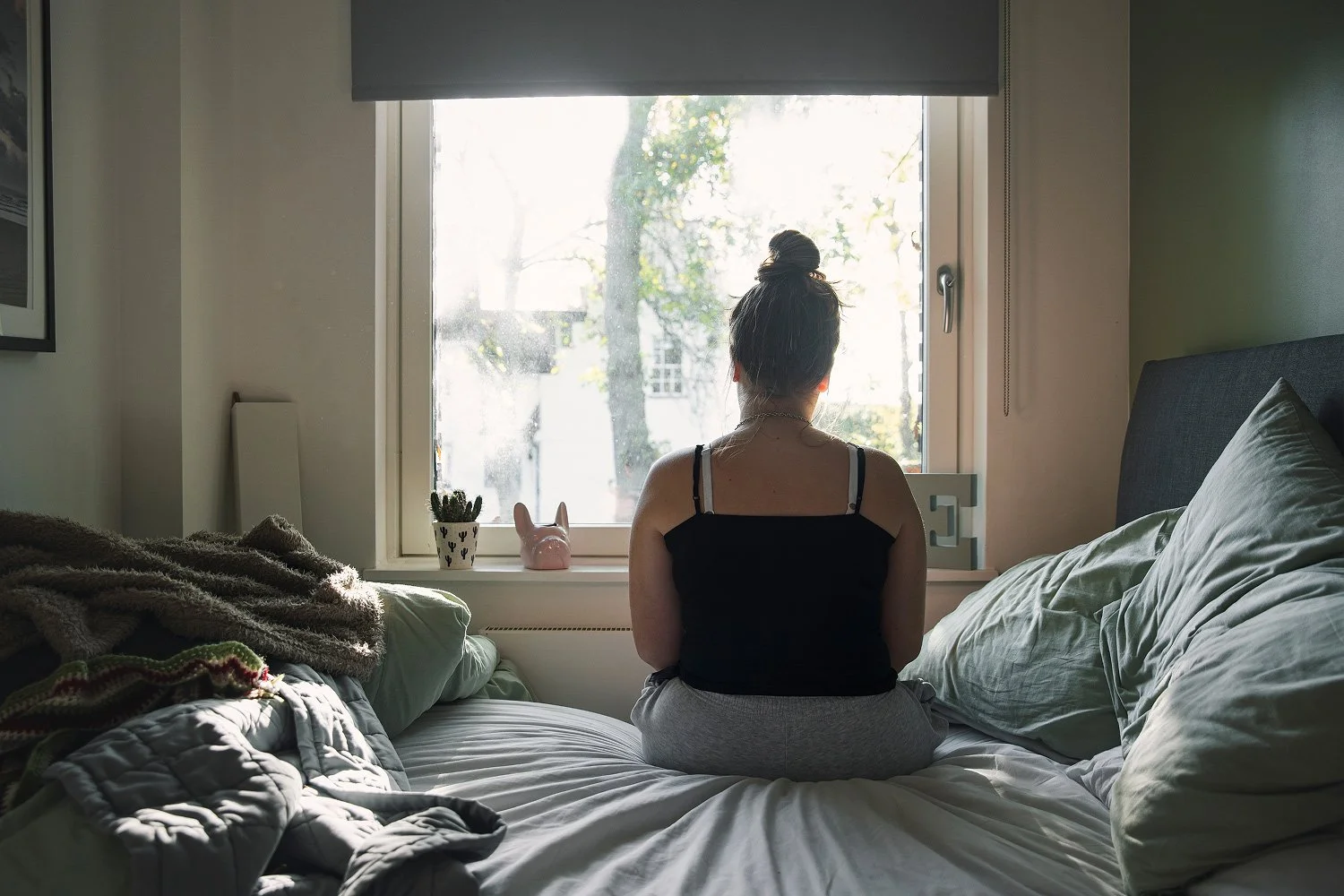
Depression is often depicted as an obvious condition. In movies, it looks like people unable to go about their everyday routines, sobbing hysterically, or just feeling miserable. And while that’s the case for some people, it isn’t always so clear-cut — especially for women. Sometimes, everything seems fine from the outside, but inside, you feel flat, invisible, or disconnected. Maybe you’re keeping up with work, family, and the endless list of “shoulds,” but joy feels out of reach. That quiet heaviness may not be burnout or stress — it may well be depression.
According to global estimates, about one in three women will experience a major depressive episode at some point in their lives. But instead of dramatic sadness, it can appear as irritability, exhaustion, or emotional distance. Because women are often socialized to care for everyone else first, those signs are easy to dismiss as “just being tired.”
Here’s everything you need to know about what depression in women can look like, why it happens, and gentle ways to cope.

Why is depression more common in women?
Research shows that women are about twice as likely as men to experience depression. This isn’t about weakness — it’s about how biology, hormones, and social realities interact to shape mental health.
Hormonal changes and brain chemistry: Estrogen and progesterone influence brain chemicals like serotonin and dopamine. Their natural fluctuations—during puberty, menstrual cycles, pregnancy, postpartum, and menopause—can make mood regulation harder at certain times of life.
The weight of expectations: Many women juggle work, caregiving, relationships, and social pressure to “hold it all together.” That mix can leave little room for rest or emotional processing, and over time, chronic stress can quietly wear down resilience.
Trauma and inequality: Women also face higher rates of sexual assault, intimate partner violence, and workplace discrimination. These experiences increase vulnerability to depression and anxiety, especially when compounded by financial or social barriers to support.
Coping styles and socialization: Women are often taught to internalize distress—turning frustration inward as guilt or self-criticism—while men may express it outwardly. This inward focus can make women’s depression seem quieter but more enduring.

What are the symptoms of depression in women?
Depression in women often goes unnoticed because it doesn’t always look like deep sadness or tears — it can feel like numbness, irritability, or mindlessness, too. You might be able to go about your routines, but you feel disconnected inside.
Here are a few symptoms of depression in women, though it’s possible to have just a few. Also, if you have thoughts of death or self-harm, it’s important to seek help right away. Support is available.
Emotional and mental signs
Persistent sadness or emptiness lasting weeks or longer
Loss of interest in things that once brought comfort or joy
Guilt, self-blame, or harsh inner criticism
Irritability or restlessness, sometimes mistaken for “moodiness”
Trouble concentrating or making decisions
Physical and behavioral signs
Changes in sleep, whether it’s too much or too little
Appetite or weight changes
Ongoing fatigue, even with rest
Physical symptoms, including headaches, back pain, or stomach issues, without a clear cause
Disinterest in engaging with friends or family
Subtle, easily missed signs
Depression can hide behind productivity and strength. Staying busy with work or family obligations can mask your struggles. For some women, symptoms rise and fall with hormonal changes, as mood regulation becomes more sensitive before a period, after childbirth, and during perimenopause.
Depression isn’t defined by how bad things look from the outside — it’s about how tough life feels inside. If that heaviness lingers, it’s a signal to reach for care, not to push harder.

How women with depression can begin to cope: 7 caring tips
When you’re living with depression, even the smallest tasks—showering, answering messages, making dinner—can feel like an uphill climb. Coping isn’t about snapping out of it or forcing yourself to “think positive.” It’s about building small, sustainable supports that help you function, soften the edges, and slowly reconnect to yourself. Here are seven ways to start.
1. Reach out and connect, even in small ways
Isolation feeds depression, but human connection—even low-effort contact—can start to lift it. You don’t have to spill everything or appear “put together.” Try texting one person or telling a trusted friend, “I’ve been having a hard time lately.”
If that feels too tough, start with micro-interactions: a short chat with your barista, a wave to a neighbor, or commenting on a friend’s post. Small social moments help remind you that you’re not alone.
If things feel unbearable or thoughts of self-harm appear, reach out right away. In the U.S., you can call or text 988 for the Suicide and Crisis Lifeline — free, confidential, and available 24/7.
2. Build gentle structure into your day
Depression can blur your sense of time, but a general routine can help you stay present. Pick just three touchpoints each day: for example, wake up around the same time, eat something nourishing by noon, and step outside once.
If you can, tie small activities to existing habits, like stretching while your coffee brews or journaling for two minutes before bed. Predictability gives your mind cues of safety and control when everything else feels uncertain.
3. Move your body in ways that feel doable, not punishing
Exercise can ease depression symptoms, but forcing intense workouts when you’re drained can backfire. Focus on moving your body instead. Take a short walk around the block, stretch for five minutes while watching TV, or dance to one song in your kitchen.
If you can, try to get some natural light and fresh air too. A 10-minute walk outside can help to release your feel-good brain chemicals. If that’s too much, just open a window, sit near sunlight, or water a plant.
💙 Mel Mah’s Nurture Yourself session on the Calm app features a series of gentle stretches that can help you care for your body.

4. Nourish your body
Depression can either dull appetite or drive emotional eating. Try taking steps like these to feel more in control:
Keep easy options around, like precut fruit, yogurt, soup, and smoothies.
Eat something every 3–4 hours.
Focus on balance. That means including protein, carbs, and something colorful when you can.
If you’re postpartum, perimenopausal, or navigating hormonal changes, steady blood sugar can help with mood swings.
5. Track your mood and look for patterns
Jotting down a few notes about your sleep, mood, and stress level each day can reveal patterns you might otherwise miss. Over time, you may see connections between low mood and lack of sleep, conflict, menstrual cycles, or skipped meals.
This isn’t about judgment — it’s information you can bring to a doctor or therapist to make treatment more precise and compassionate.
6. Create mental breathing room
Depression tends to shrink your perspective until all you can see is what’s wrong. Techniques that calm your nervous system can help you find a bit more space between thoughts and feelings. Try:
Grounding through your senses: Name five things you see, four you can hear, three you touch, two you smell, one you taste.
Mindful breathing: Inhale for four counts, exhale for six.
Body scans or guided meditations on the Calm app
Journaling with prompts such as “What’s one thing that helped me get through today?”
💙 In Rethinking Depression, a six-part master class on the Calm app, Dr. Steve Illardi unpacks strategies for recovery.
7. Seek professional and hormonal support early
If your symptoms last longer than two weeks or start interfering with your daily life, consider reaching out to a professional. A primary care provider, therapist, or psychiatrist can help you determine whether therapy, medication, or both would help.
Women’s depression often overlaps with hormonal transitions like postpartum, perimenopause, or thyroid issues, so it’s wise to ask for a full physical exam and lab work. Treatment might include antidepressants, therapy (like CBT or interpersonal therapy), or hormonal regulation.
If therapy feels financially out of reach, look for community mental health centers, online counseling platforms, or sliding-scale options.

Depression in women FAQs
What do subtle signs of depression look like in women?
Subtle depression doesn’t always show up as tears or collapse. It can feel like constant fatigue, irritability, or moving through life on autopilot. You might meet deadlines, care for others, and smile when needed, but inside, feel numb or disconnected.
Many women mask depression by staying busy or trying to fix their mood through overwork. Others feel quiet guilt or emptiness, losing joy in things that once mattered. If you’ve felt “off” for weeks and can’t remember the last time you felt like yourself, that’s a sign you need care.
What does a depressive episode look like?
A depressive episode is more than a rough patch. It’s a lasting period—usually two weeks or more—of deep sadness, emptiness, or loss of interest in daily life. You might struggle to get out of bed, find simple tasks draining, or feel cut off from everything that once brought you comfort.
Some women describe it as being “underwater” — aware of the world but unable to reach it. It can cloud your thinking, sap your energy, and disrupt your sleep or appetite. If these feelings persist most of the day, nearly every day, it’s time to reach out for professional support.
How to get yourself out of a depressive episode?
It’s natural to want a quick fix, but depression doesn’t ease under pressure. The aim is to steady yourself, not force a full recovery overnight. Focus on basics: sleep, nourishment, gentle movement, and getting outside more. Reach out to someone you trust, even if all you can say is, “I’m struggling right now.”
If your symptoms persist beyond two weeks or start affecting your daily life, reach out to a therapist or doctor. Remember: Your mind is tired, not broken.
What hormonal factors trigger female depression?
Hormones play a major role in mood and brain chemistry, so changes in estrogen and progesterone can make some women more vulnerable to depression. This often happens during transitions like puberty, before menstruation, after childbirth, and around perimenopause or menopause.
These shifts can affect your brain chemicals and/or stress response, making emotional balance harder to maintain. It’s not “in your head” — your biology truly matters. Tracking your mood alongside your cycle can help your provider spot patterns and suggest the right support, such as therapy or medication.
Why is depression more common in women?
There’s no single cause of depression in women — it’s a blend of biology, hormones, and social pressure. Frequent hormonal shifts affect brain chemistry, while ongoing stressors like caregiving, inequality, body image pressure, and trauma increase risk.
Many women are also taught to stay strong, keep peace, and put others first, which can make it harder to notice or name their own pain.
Can mindfulness help with female depression?
Mindfulness can be a gentle support during depression. It helps you slow down, notice what’s happening inside, and create space between thoughts and emotions.
You don’t need long silent sessions — mindfulness can be as simple as slow breathing while washing your hands, feeling your feet on the ground, or tasting your morning coffee.
When should I seek help for depression?
If your symptoms last more than two weeks or it’s hard to function, it’s time to reach out for help. Seek immediate support if you have thoughts of self-harm or suicide — these are signs of deep pain, not weakness.
Therapy, medication, or both can make a real difference, and early care often leads to better recovery. Even if you’re unsure whether what you feel “counts,” it’s worth checking in with a professional. You don’t need to wait for things to get worse — feeling unwell is reason enough to ask for help.
In the U.S., you can call or text 988 for the Suicide and Crisis Lifeline for free, confidential support 24/7. In other countries, Befreinders Worldwide can direct you to local services.
Does depression get better with time after childbirth and perimenopause?
Yes, many women start to feel better as hormones rebalance and with the right care. Postpartum depression often improves with therapy, medication, or peer support, while mood shifts during perimenopause or menopause may ease once hormone levels stabilize.
Some women benefit from added support, like hormone therapy or antidepressants. The key is not to wait it out in silence. These transitions are demanding, and early help from a doctor, therapist, or community resource can make recovery smoother and more sustainable.
Can meditation help with depression?
Meditation can be a way to cope with depression. It helps calm the body’s stress response, supports rest, and creates brief moments of peace on difficult days. For women navigating hormonal or emotional shifts, it can also ground you in the present and help you notice early signs of overwhelm.
Start small — just a few minutes of slow breathing or quiet focus. Over time, these short pauses can help rebuild the steadiness that depression often erodes.
Calm your mind. Change your life.
Mental health is hard. Getting support doesn't have to be. The Calm app puts the tools to feel better in your back pocket, with personalized content to manage stress and anxiety, get better sleep, and feel more present in your life.

Images: Getty